Beyond the Galleries: How Israeli Museums Are Turning Shops and Cafés into Cultural Destinations
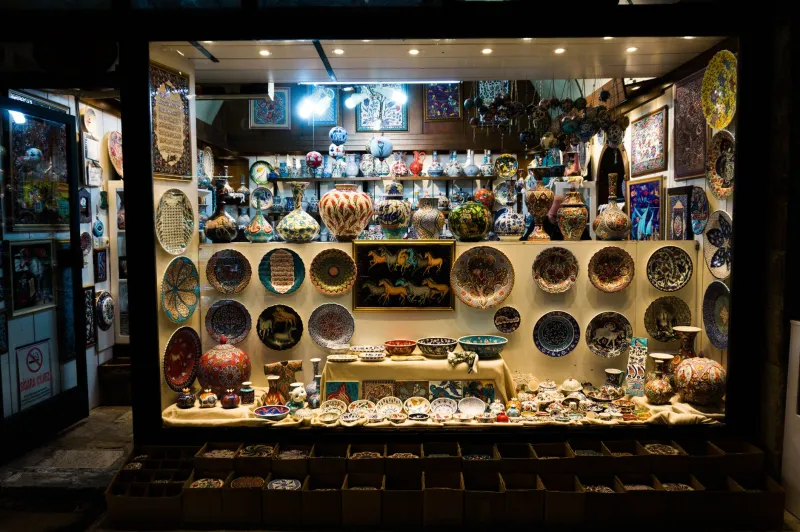
For many visitors to American institutions such as the Metropolitan Museum of Art or the Art Institute of Chicago, the museum shop is a pleasant afterthought—a place to collect a catalog or a tote bag before heading back to the street. In Israel, a growing number of cultural institutions are challenging that assumption entirely. Across Jerusalem, Tel Aviv, Haifa, and beyond, museum gift shops and café spaces have been quietly reinventing themselves as destinations in their own right, drawing visitors who may arrive specifically for a meal, a handcrafted piece of jewelry, or a conversation with a resident artisan.
This shift is not accidental. It reflects a deliberate institutional strategy to deepen visitor engagement, support Israel's creative economy, and extend the cultural conversation well past the final gallery wall.
A New Philosophy of the Museum Threshold
The traditional museum gift shop operated on a straightforward premise: sell reproductions, postcards, and branded merchandise to departing visitors riding a wave of cultural enthusiasm. That model, while functional, treated commerce as separate from culture. What Israeli institutions have begun to recognize is that the shop and the café occupy a uniquely powerful position—they are the last impression a visitor carries home, and the first space that feels genuinely approachable to someone who might otherwise feel intimidated by formal gallery environments.
At institutions like the Tel Aviv Museum of Art, the retail and hospitality areas have been reconceived as extensions of the curatorial mission. Products are selected not merely for their visual appeal but for the stories they carry—who made them, where, and from what tradition. The result is a merchandising philosophy that mirrors the museum's broader commitment to contextualizing objects within living culture.
The Israel Museum in Jerusalem has taken a similarly intentional approach. Its shop stocks work from Israeli designers and craftspeople whose practices draw directly on the archaeological and artistic heritage displayed in the galleries above. A visitor who has spent an hour examining ancient bronze jewelry from the Iron Age may then encounter a contemporary Israeli silversmith whose work enters into dialogue with those same forms. The continuity is neither forced nor coincidental—it is curated.
Supporting the Creative Ecosystem
One of the most significant dimensions of this trend is its economic impact on Israel's independent creative community. Museum shops that prioritize local artisans over mass-produced imports provide a meaningful platform for designers, ceramicists, textile artists, and jewelers who might otherwise struggle to reach an international audience.
For American visitors in particular, this represents an opportunity that extends well beyond souvenir shopping. Purchasing a hand-thrown ceramic bowl from a Jerusalem studio potter or a silk-screened print from a Tel Aviv illustrator through a museum shop carries an implicit curatorial endorsement—the institution has vetted the work and placed it within a cultural framework. That context transforms a retail transaction into something closer to collecting.
Several Israeli museums have formalized this relationship by hosting rotating artisan markets, pop-up studios, and in-residence designer programs within their commercial spaces. The Eretz Israel Museum in Tel Aviv, which encompasses multiple pavilions dedicated to archaeology, ethnography, and applied arts, has been particularly active in programming its public areas as platforms for contemporary makers whose work engages with the museum's themes.
The Culinary Dimension
If the museum shop has evolved into a showcase for material culture, the museum café has become an equally compelling expression of culinary heritage. Israeli food culture is extraordinarily diverse, drawing on Sephardic, Ashkenazi, Mizrahi, Arab, Ethiopian, and Yemenite traditions, among others. A growing number of museum dining spaces are treating that complexity as a resource rather than a logistical challenge.
The café at the Tower of David Museum in Jerusalem's Old City exemplifies this approach. Positioned within medieval stone walls that have witnessed centuries of cultural exchange, the dining space serves a menu that reflects the layered culinary history of the city itself. For American visitors accustomed to museum restaurants that offer little more than sandwiches and salads, the experience can be genuinely revelatory—food as interpretive tool, flavor as historical argument.
Similarly, the dining facilities associated with several Tel Aviv institutions have embraced the city's reputation as a global culinary destination, partnering with chefs who bring serious creative ambition to menus grounded in local ingredients and seasonal traditions. These are not cafeterias. They are restaurants that happen to occupy museum real estate, and they attract diners who have no particular intention of visiting the galleries.
The Business Case for Cultural Commerce
Beyond the philosophical and experiential dimensions, there is a straightforward institutional rationale for investing in these spaces. Museum funding in Israel, as in the United States, is a perennial challenge. Earned revenue from retail and food service can meaningfully supplement admission income and public funding, providing institutions with financial flexibility that supports programming, conservation, and acquisitions.
When a museum shop is curated with the same care as a gallery, it commands higher price points and generates greater visitor loyalty. Repeat visitors who return for a favorite café or a seasonal artisan market also tend to re-engage with the permanent collection—a virtuous cycle that benefits both the institution and the visitor.
Several Israeli museums have also developed sophisticated online retail presences that allow American visitors to continue their relationship with Israeli makers after returning home. The ability to order a piece of Negev pottery or a print by an Israeli artist encountered in a museum shop—weeks or months after the visit—transforms what might have been a one-time transaction into an ongoing cultural connection.
Practical Guidance for American Visitors
For US travelers planning a museum itinerary in Israel, building time for these commercial and culinary spaces into your schedule is genuinely worthwhile. Arriving at the Israel Museum an hour before your gallery visit to browse the shop, or lingering after a tour of the Tel Aviv Museum of Art for a meal, will meaningfully enrich the overall experience.
It is worth noting that the quality and character of these spaces varies considerably across institutions. Larger, better-funded museums in Tel Aviv and Jerusalem tend to have the most developed retail and dining offerings, while smaller regional museums may offer more modest but often equally charming alternatives—local honey, regional textiles, handmade ceramics from nearby studios.
If authentic cultural souvenirs are a priority, ask shop staff directly about the provenance of items and the backgrounds of the makers represented. Most are genuinely enthusiastic about sharing those stories, and the conversation itself becomes part of the experience.
A Fuller Picture of What a Museum Can Be
The transformation of Israeli museum shops and cafés into cultural destinations reflects something important about how these institutions understand their own mission. A museum that limits its cultural work to the hours a visitor spends in front of display cases is leaving a great deal of potential unrealized. The spaces where visitors eat, rest, shop, and decompress are equally capable of carrying meaning—and Israeli institutions are increasingly treating them that way.
For American visitors who arrive expecting the familiar rhythms of a museum visit, this dimension of the Israeli cultural landscape can be a genuine surprise. The gallery experience is extraordinary. What surrounds it may prove equally memorable.