Guardians of Culture: How Israeli Museums Protect Their Collections When Conflict Comes Knocking
For most museum directors around the world, a typical Monday morning involves reviewing exhibition loan agreements, managing conservation backlogs, or planning community programming. For their counterparts in Israel, those same concerns exist — but layered beneath them is a set of contingencies that few institutions elsewhere are required to maintain. What happens to a Rembrandt, a Roman-era mosaic, or an irreplaceable manuscript when sirens sound?
The answer, refined over decades of institutional experience, is a carefully choreographed response that blends professional conservation practice with operational urgency. Israeli museums have, in many respects, become global leaders in emergency preparedness for cultural institutions — a distinction earned not by choice, but by necessity.
Planning for the Unthinkable
At the heart of any Israeli museum's risk management framework is the emergency preparedness plan, a living document that is reviewed, updated, and drilled with a regularity that would surprise colleagues in calmer geographies. These plans typically designate specific staff roles during emergencies, identify which objects in a collection are prioritized for rapid relocation, and map out the physical routes through which those objects would travel.
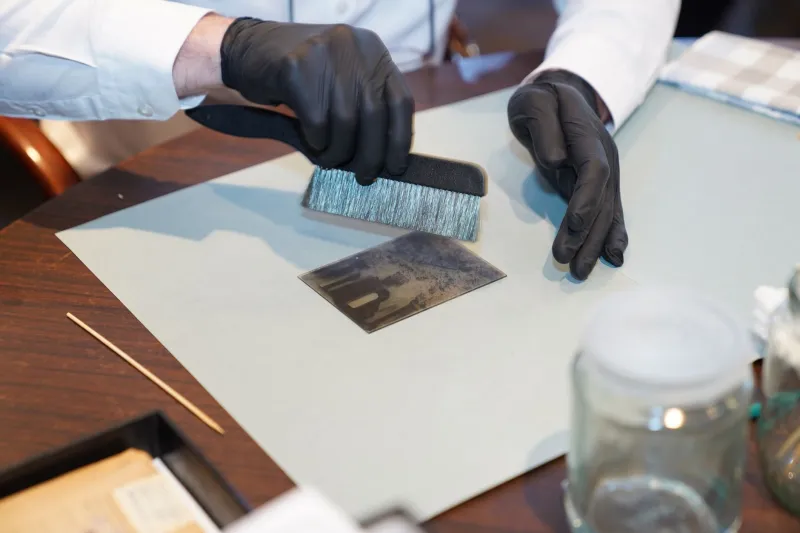
Prioritization is, perhaps, the most ethically complex dimension of this work. Curators must make considered judgments — often years in advance — about which items in a collection are most irreplaceable, most fragile, or most symbolically significant. A Roman glass vessel and a twentieth-century oil painting may carry equal monetary appraisal value, but their vulnerability to vibration, humidity change, or physical shock differs considerably. Conservation staff work alongside curatorial teams to assess these variables, producing tiered lists that guide decision-making in moments when time is the scarcest resource.
Digitization as a Safety Net
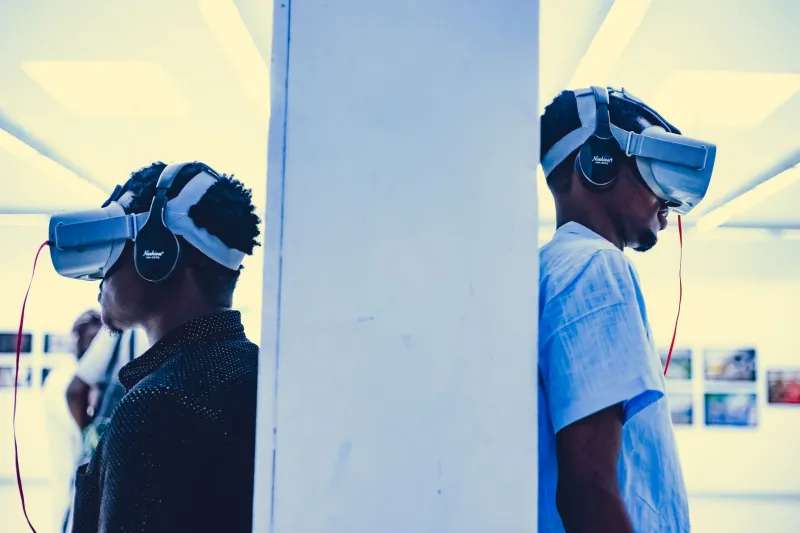
Beyond physical evacuation protocols, Israeli cultural institutions have invested substantially in high-resolution digitization programs that serve a dual purpose. On one hand, digital archives make collections more accessible to international scholars and tourists who may be unable to visit in person. On the other, they constitute an irreplaceable record of an object's condition, provenance, and iconographic detail — documentation that becomes invaluable in the event of physical damage or loss.
The Israel Museum in Jerusalem, for example, has pursued digitization initiatives that align with international standards promoted by organizations such as the International Council of Museums (ICOM). Similarly, Yad Vashem's photographic and documentary archive represents one of the most comprehensively digitized collections of Holocaust-era materials anywhere in the world, a fact that carries particular moral weight given the nature of what those documents record.
For American visitors accustomed to institutions like the Smithsonian or the Metropolitan Museum of Art — both of which have robust digital access programs — the Israeli approach will feel familiar in its ambition, even if the motivating circumstances differ significantly.
Keeping Doors Open: Accessibility as an Ethical Commitment
One of the more striking aspects of Israeli museum culture is the institutional commitment to remaining open and accessible even during periods of heightened tension. Museum professionals across the country have articulated this stance in terms that go beyond operational logistics: keeping a museum open is, in itself, a statement about the continuity of civic and cultural life.
This philosophy presents genuine practical challenges. Staff welfare must be balanced against the institution's public role. Exhibition programming must sometimes be adjusted when international loans are delayed or when lenders exercise force majeure clauses in response to regional instability. And visitor communications — particularly for institutions that draw heavily from international tourism — require a level of transparency and real-time responsiveness that demands dedicated resources.
Yet the record suggests that Israeli museums have largely maintained this commitment. During periods when parts of the country have been under stress, institutions in unaffected regions have often expanded programming, hosting touring exhibitions or community events that reinforce cultural continuity.
The Ethical Weight of Cultural Stewardship
Conservators and curators working in Israeli institutions frequently speak of their work in terms that carry an ethical dimension beyond standard professional obligation. Many of the objects in their care represent not merely aesthetic or historical value, but the material evidence of civilizations, communities, and individuals who no longer exist in their original forms. The responsibility to protect those objects is felt, by many practitioners, as a profound moral charge.
This sense of stewardship extends to questions of how conflict itself is represented and contextualized within museum spaces. Institutions must navigate the challenge of acknowledging contemporary realities without allowing those realities to distort or overwhelm the broader cultural narrative they are charged with presenting. It is a balance that requires ongoing curatorial judgment, and one that Israeli museum professionals have had more practice exercising than most.
What American Visitors Should Know
For travelers from the United States planning visits to Israeli museums, understanding this context enriches the experience considerably. The objects on display have not merely survived the passage of centuries — in many cases, they have been actively protected by professionals who took considered risks to ensure their preservation. The logistical infrastructure behind a seemingly serene gallery is, in Israel perhaps more than anywhere else, a story worth knowing.
Visitors would do well to inquire about behind-the-scenes tours or curator-led talks where these themes are addressed directly. Many Israeli institutions offer programming specifically designed to illuminate the conservation and protection processes that underpin their collections, and such sessions tend to be among the most memorable experiences a museum visit can offer.
The resilience of Israeli cultural institutions is not simply a logistical achievement. It is, at its core, a statement about the enduring value of human culture — and the lengths to which dedicated professionals will go to ensure that it survives.