Seven Remarkable Museums Off Israel's Tourist Trail That Deserve a Place on Your Itinerary
Most visitors to Israel arrive with a cultural itinerary already assembled: Jerusalem's Old City, the Israel Museum, perhaps a morning at Yad Vashem. These are essential experiences, and no thoughtful traveler should skip them. But Israel is a country of extraordinary cultural density, and some of its most rewarding institutions sit well beyond the standard tourist circuit.
The following seven museums reward the traveler willing to rent a car, consult a map, and venture off the main routes. Each offers something genuinely distinctive—a perspective on Israeli history, art, or archaeology that cannot be replicated elsewhere. Together, they form the backbone of a cultural road trip that could occupy a week and leave a lasting impression.
1. The Negev Museum of Art — Be'er Sheva
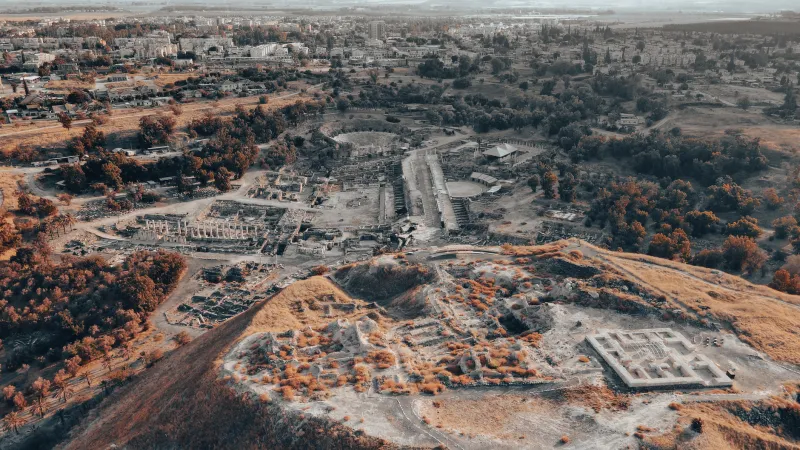
Why It's Worth the Detour: Housed in a restored Ottoman-era mosque in the heart of Be'er Sheva's historic district, the Negev Museum of Art presents rotating exhibitions of Israeli contemporary art within one of the most architecturally striking settings in the country. The building itself—its domed ceiling and arched windows intact—creates a dialogue between ancient structure and modern creative expression that is genuinely arresting.
Best Time to Visit: Spring and fall, when Be'er Sheva's desert climate is most hospitable to extended walking. The museum sits within a cluster of historic buildings that merit exploration before or after your visit.
Broader Context: For American visitors, the Negev Museum offers an entry point into Israel's southern desert region, a landscape that shaped much of the country's early agricultural and military history. The art on display frequently engages with themes of landscape, isolation, and resilience that resonate directly with that geography.
2. Beit Lohamei Haghetaot — Western Galilee
Why It's Worth the Detour: Founded in 1949 by survivors of the Warsaw Ghetto Uprising, Beit Lohamei Haghetaot—the Ghetto Fighters' House Museum—is one of the world's oldest Holocaust memorial institutions. Unlike Yad Vashem, which serves an enormous international audience, this museum retains an intimate, community-rooted character. Its exhibitions emphasize resistance and survival alongside documentation of atrocity, offering a perspective that complements rather than duplicates the Jerusalem experience.
Best Time to Visit: Year-round. The museum's indoor galleries make it suitable regardless of season. Plan for at least two to three hours.
Broader Context: The surrounding kibbutz of Lohamei Haghetaot was established by the museum's founders and remains home to descendants of those original survivors. The connection between the living community and the memorial institution is palpable and deeply moving.
3. The Ralli Museum — Caesarea
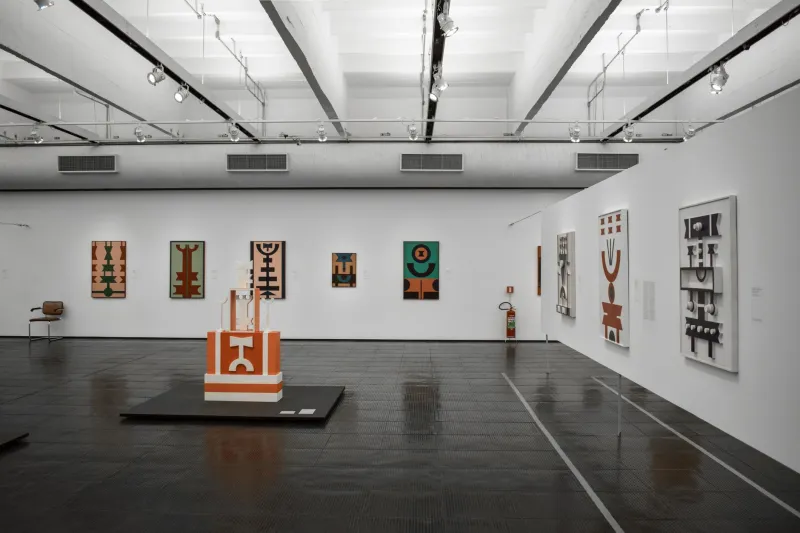
Why It's Worth the Detour: The Ralli Museum in Caesarea is something of an anomaly in the Israeli cultural landscape: a private museum dedicated almost exclusively to Latin American art and sculpture. Founded by Harry Recanati, a Chilean-born Israeli philanthropist, the museum houses an extraordinary collection of works by Salvador Dalí, alongside paintings and sculptures by artists from across South America. The campus—set within Caesarea's Roman-era archaeological park—creates a surreal and memorable juxtaposition.
Best Time to Visit: Weekday mornings, when crowds are thinner and the outdoor sculpture gardens can be appreciated at leisure.
Broader Context: For American visitors with an interest in Latin American art or the Surrealist movement, the Ralli Museum offers an entirely unexpected encounter. Its presence in Israel reflects the country's complex web of diaspora connections—a reminder that Israeli cultural life has always been shaped by global migration patterns.
4. The Wilfrid Israel Museum of Asian Art and Studies — Kibbutz Hazorea
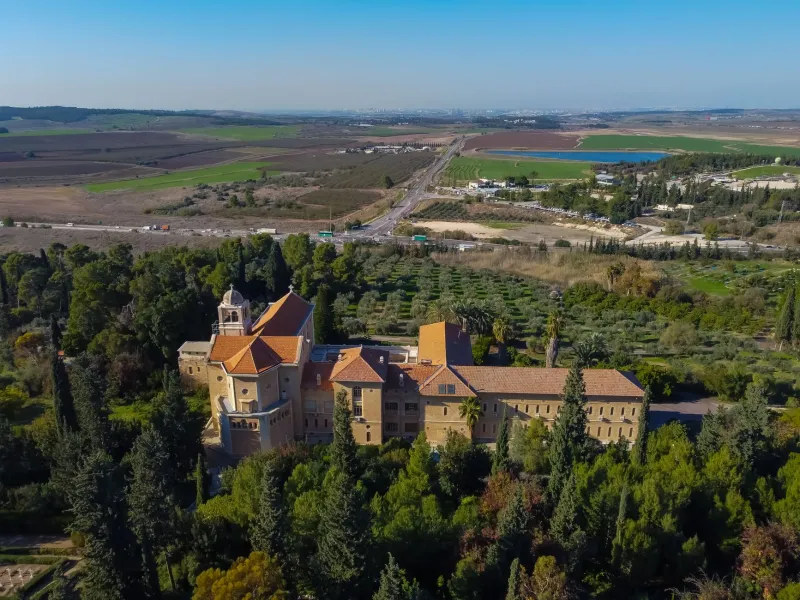
Why It's Worth the Detour: Set within the agricultural landscape of the Jezreel Valley, this remarkable museum houses one of the most significant collections of Asian art and antiquities in the Middle East. The collection—spanning Chinese bronzes, Indian sculpture, Japanese ceramics, and pre-Columbian artifacts—was assembled by Wilfrid Israel, a German-Jewish art dealer who perished in a wartime plane crash before seeing his vision realized. The museum also contains important archaeological finds from the surrounding region.
Best Time to Visit: Spring, when the Jezreel Valley is at its most visually dramatic and the drive through the agricultural landscape is particularly scenic.
Broader Context: The museum's existence speaks to the remarkable intellectual breadth of Israel's founding generation—individuals who, even under conditions of enormous personal danger, maintained a commitment to global culture and cross-civilizational understanding.
5. The Clandestine Immigration and Naval Museum — Haifa
Why It's Worth the Detour: Moored at Haifa's port, this museum is built around the Af-Al-Pi-Chen, an actual vessel used to carry Jewish refugees to pre-state Palestine in defiance of British immigration restrictions during the late 1940s. Visitors board the ship and move through recreated below-deck environments that convey, with remarkable visceral force, the conditions endured by those making the crossing. The adjacent exhibitions document the broader history of illegal immigration operations during this period.
Best Time to Visit: Morning, before Haifa's port area becomes crowded. Allow at least ninety minutes for a thorough visit.
Broader Context: For American visitors familiar with the history of immigration and refugee displacement—whether from European Jewish history or more recent global contexts—this museum offers a uniquely embodied encounter with those themes.
6. The Bible Lands Museum — Jerusalem (West Side)
Why It's Worth the Detour: Although technically located in Jerusalem, the Bible Lands Museum is consistently overlooked by visitors focused on the Old City and the Israel Museum nearby. Its collection traces the civilizations of the ancient Near East—Egypt, Mesopotamia, Persia, Anatolia—providing essential context for understanding the world in which biblical narratives took shape. The museum's interpretive approach is scholarly but accessible, making it particularly valuable for visitors seeking intellectual depth.
Best Time to Visit: Weekday afternoons, when the museum is quietest. Friday evenings feature special programming.
Broader Context: American visitors from faith traditions that engage seriously with biblical texts will find the museum's archaeological perspective both illuminating and thought-provoking. It is a place where scripture and material history meet on genuinely equal terms.
7. The Moshe Dayan Collection at Tel Aviv University — Ramat Aviv
Why It's Worth the Detour: The archaeological collection assembled by the late General Moshe Dayan—Israel's iconic military commander and amateur archaeologist—is housed at Tel Aviv University's Institute of Archaeology. While access may require advance arrangement, the collection offers a fascinating window into both ancient Canaanite material culture and the complicated history of private artifact collecting in Israel. It is a destination for the genuinely curious rather than the casual visitor.
Best Time to Visit: Contact the university in advance to confirm access arrangements. The surrounding campus is pleasant for an afternoon walk.
Broader Context: The Dayan collection raises questions about ownership, heritage, and the ethics of archaeological acquisition that remain deeply relevant in contemporary museum discourse—questions that American institutions are increasingly grappling with as well.
Planning Your Journey
These seven institutions span the length of Israel, from the Galilee in the north to the Negev in the south, and can be combined into a coherent road trip of five to seven days for the motivated traveler. A rental car is strongly recommended, as public transportation connections to several of these sites are limited.
Each museum listed here maintains its own website and seasonal hours; visitors are advised to confirm schedules before departure. Entrance fees are generally modest, and several institutions offer discounts for students, seniors, and members of affiliated organizations.
Israel's celebrated institutions are celebrated for good reason. But its lesser-known museums carry their own irreplaceable value—and the travelers who seek them out are rarely disappointed.