From Jerusalem to Your Living Room: How Israeli Museums Are Pioneering Digital Access to the Ancient World
For decades, experiencing Israel's extraordinary cultural heritage meant booking a flight, arranging accommodations, and navigating the logistical realities of international travel. Today, a growing number of Israeli museums and cultural institutions are dismantling those barriers — one digital initiative at a time. Through immersive virtual tours, meticulously rendered 3D artifact scans, and searchable online archives, Israel's most significant collections are reaching audiences from Manhattan to Minnesota without anyone leaving home.
This is not simply a pandemic-era stopgap. It represents a genuine philosophical shift in how Israeli cultural institutions understand their mission — and their audience.
The Israel Museum: Setting the Standard for Digital Immersion
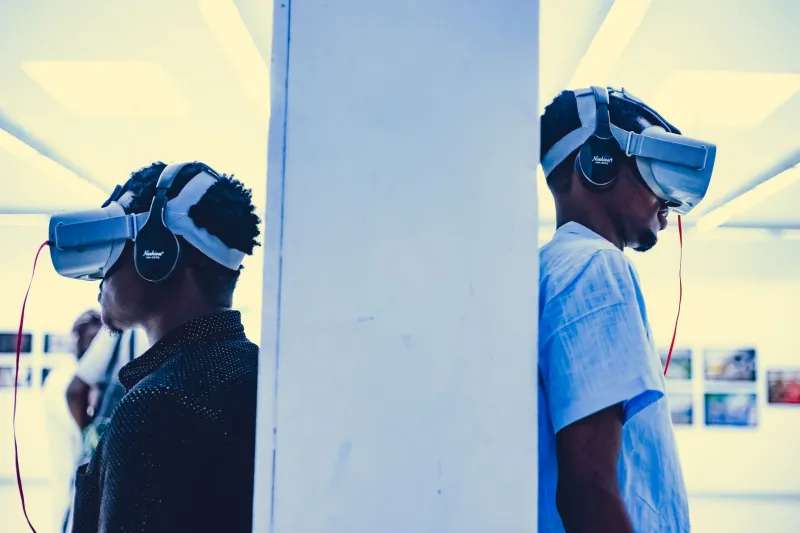
The Israel Museum in Jerusalem, home to one of the world's most comprehensive collections of art and archaeology, has long been a leader in digital outreach. Its online portal offers high-resolution imagery of tens of thousands of objects, spanning ancient Canaanite pottery to twentieth-century Israeli painting. The museum's virtual tour infrastructure allows users to navigate gallery spaces in a manner that closely approximates the physical experience, with embedded contextual information appearing as visitors move through rooms.
Perhaps most impressively, the museum's digitization of the Dead Sea Scrolls — undertaken in partnership with Google — produced some of the most detailed manuscript imaging ever achieved. Scholars at American universities who once required research grants and international travel to study these texts can now examine them at pixel-level resolution from their office desks. The Leon Levy Dead Sea Scrolls Digital Library, hosted online, has fundamentally altered the pace of biblical and historical scholarship in ways that continue to unfold.
The Antiquities Authority's Hidden Archive
The Israel Antiquities Authority manages one of the largest archaeological collections on earth, much of it held in storage facilities rather than on public display. Recognizing this as both a limitation and an opportunity, the IAA has invested substantially in digitizing excavation records, artifact catalogs, and photographic archives stretching back to the early twentieth century.
For American researchers studying the ancient Near East, this archive has become an indispensable resource. Ceramic assemblages from excavations at Megiddo, Hazor, and Lachish — sites of enormous significance to biblical archaeology — are now catalogued in searchable digital databases. Graduate students at institutions like Johns Hopkins, Harvard Divinity School, and the Oriental Institute in Chicago regularly draw on these resources for dissertation research that would previously have demanded extended fieldwork in Israel.
3D Scanning and the New Language of Artifact Documentation
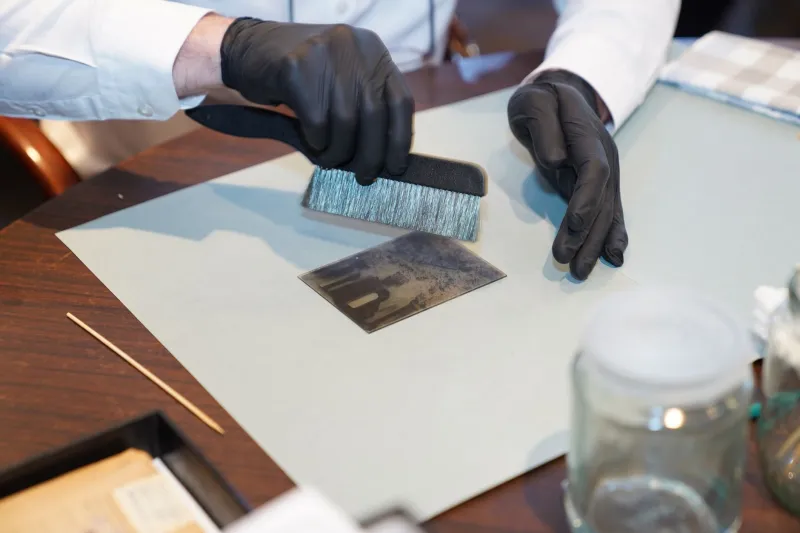
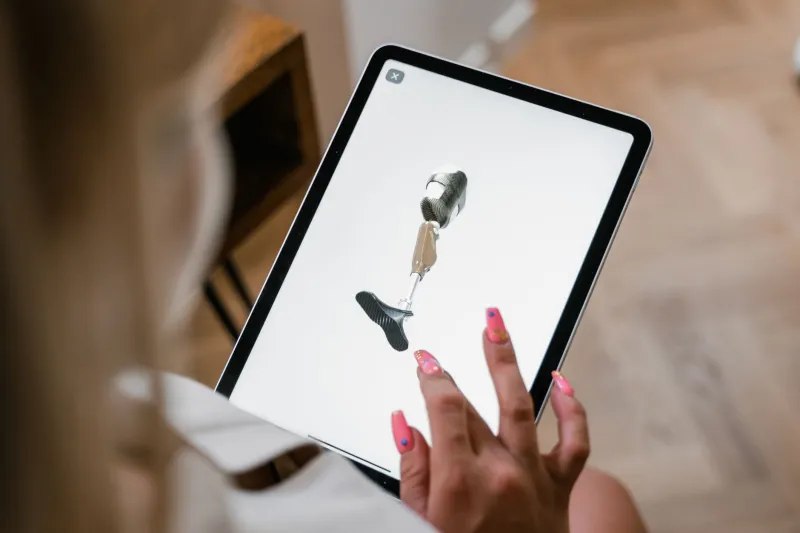
Beyond photography and video, a handful of Israeli institutions have embraced three-dimensional scanning as a tool for both preservation and public engagement. The Hecht Museum at the University of Haifa has experimented with photogrammetry — a process by which hundreds of overlapping photographs are computationally assembled into a navigable 3D model — to document fragile ceramic vessels and stone objects from its Mediterranean archaeology collections.
These models serve a dual purpose. On one hand, they create an archival record of extraordinary precision, useful if an object is ever damaged, stolen, or deteriorated by time. On the other, they can be embedded in online exhibitions that allow users to rotate, zoom, and examine artifacts from angles that even in-person visitors rarely achieve. Some institutions have gone further, making these files available in formats compatible with consumer 3D printers, enabling educators in American classrooms to produce physical replicas of ancient objects for tactile learning.
Why Digital Access Matters for Diaspora Communities
The significance of these initiatives extends well beyond academic circles. Israel holds deep personal and cultural meaning for millions of Jewish Americans, many of whom maintain strong emotional connections to a country they may visit infrequently or never at all. Digital access to museum collections offers something genuinely meaningful: a way to engage with heritage, history, and identity on a personal level, regardless of geography or economic circumstance.
A family in suburban Atlanta can walk through a virtual reconstruction of ancient Jerusalem together. A teenager in Portland can examine a Bronze Age oil lamp from the very region her grandparents emigrated from. These are not trivial experiences. Cultural institutions that recognize this emotional dimension of digital engagement are building relationships with audiences that transcend the transactional nature of ticket sales.
Christian and Muslim American communities similarly benefit. Pilgrimage sites and objects of profound religious significance — held in institutions like the Rockefeller Archaeological Museum or the Tower of David — carry meaning for millions of people who approach Israel's heritage from entirely different spiritual vantage points. Digital platforms allow these communities to engage on their own terms.
The Technology Behind the Experience
Building these digital ecosystems is neither simple nor inexpensive. The most sophisticated virtual tour platforms rely on a combination of high-dynamic-range photography, laser scanning of architectural spaces, and custom web development to produce experiences that load reliably on American broadband connections. Institutions must also contend with ongoing costs: servers, software licensing, staff expertise, and the perpetual need to update content as collections grow and scholarship evolves.
Several Israeli museums have secured funding through partnerships with international technology companies, diaspora philanthropic foundations based in the United States, and grant programs administered by the Israeli government's cultural ministries. The Shapell Family Digitization Project, which supported the digitization of significant manuscript collections, is one prominent example of American Jewish philanthropy directly enabling digital access initiatives.
What Comes Next
The trajectory is toward greater immersion and interactivity. Augmented reality applications — already piloted at a handful of Israeli archaeological sites — promise to layer digital information over physical environments, but the same technology can theoretically work in reverse: projecting the ancient environment into a user's living room. Several institutions are exploring partnerships with educational technology companies to develop curriculum-aligned digital experiences tailored specifically for American middle and high school students.
Artificial intelligence is also entering the picture. Natural language interfaces that allow users to ask questions of a museum's collection — and receive contextually accurate, scholarly grounded answers — are moving from concept to prototype at several institutions.
For American audiences who have long regarded Israel's museums as destinations reserved for the fortunate few, the digital revolution underway in Jerusalem, Haifa, and Tel Aviv carries a straightforward promise: the ancient world is closer than it has ever been.